On Neurodiversity & Leadership

  • Job crafting: shaping the what, who and how of your role for better outcomes

    Work can feel unpredictable right now. Lots of people are trying to protect their wellbeing, find more meaning in what they do, and still deliver great results. One idea I keep coming back to is job crafting: small, intentional changes you make to your role so it better fits your strengths, interests, and values. Done well, it can lift your energy and focus—while also helping your employer benefit from a more engaged and resilient workforce.

    At its core, job crafting is a proactive approach: you shape parts of your job instead of letting the job shape you. That might mean tweaking what you work on (tasks), who you work with (relationships), or how you think about the work (mindset). When you can personalize your work in these ways, you usually gain more autonomy—and you often become more creative too.

    A bit of self-awareness helps here (knowing what you’re good at, what drains you, and what matters to you). With that in place, job crafting can bring some very real benefits.

    • More job satisfaction: You spend more time using your strengths and doing work that feels meaningful, which can increase motivation and engagement.
    • Better wellbeing: With a bit more control over your workload and how you do it, stress can reduce and development can feel more achievable.
    • A healthier work–life balance: You can tailor responsibilities and ways of working to better fit your life and priorities, which helps lower the risk of burnout.

    What employers get out of it

    • Stronger performance: When people can lean into what they do best, quality and productivity tend to improve.
    • Higher retention: Autonomy and ownership usually increase commitment, which can reduce avoidable turnover.
    • More innovation: People who feel trusted are more likely to test ideas, suggest improvements, and take thoughtful risks.

    If you’re a leader and you want to encourage job crafting, here are a few practical ways to make it easier (and safer) for people to do.

    1. Make it normal to talk about work preferences. Use one-to-ones and team check-ins to discuss strengths, energy drains, and what “good” looks like.
    2. Give clear autonomy (with clear boundaries). Let people influence how they deliver outcomes—process, scheduling, task allocation—while keeping priorities and expectations explicit.
    3. Invest in skill-building. Training, stretch assignments, mentoring, and shadowing give people more options when they redesign their role.
    4. Notice and reward thoughtful crafting. Call out improvements people make to their role or workflow—especially when it helps the team as well as the individual.

    For me, the best version of job crafting sits on top of clear goals and mutual trust. It’s not about “doing whatever you like”—it’s about shaping the role so you can consistently do your best work, in a way that’s sustainable. When employees can align tasks and ways of working with their strengths and values, you tend to see more engagement, better performance, and a healthier culture overall.

    When people can personalize their work, they often gain more autonomy—and become more creative.

    Photo by Edmond Dantès on Pexels.com
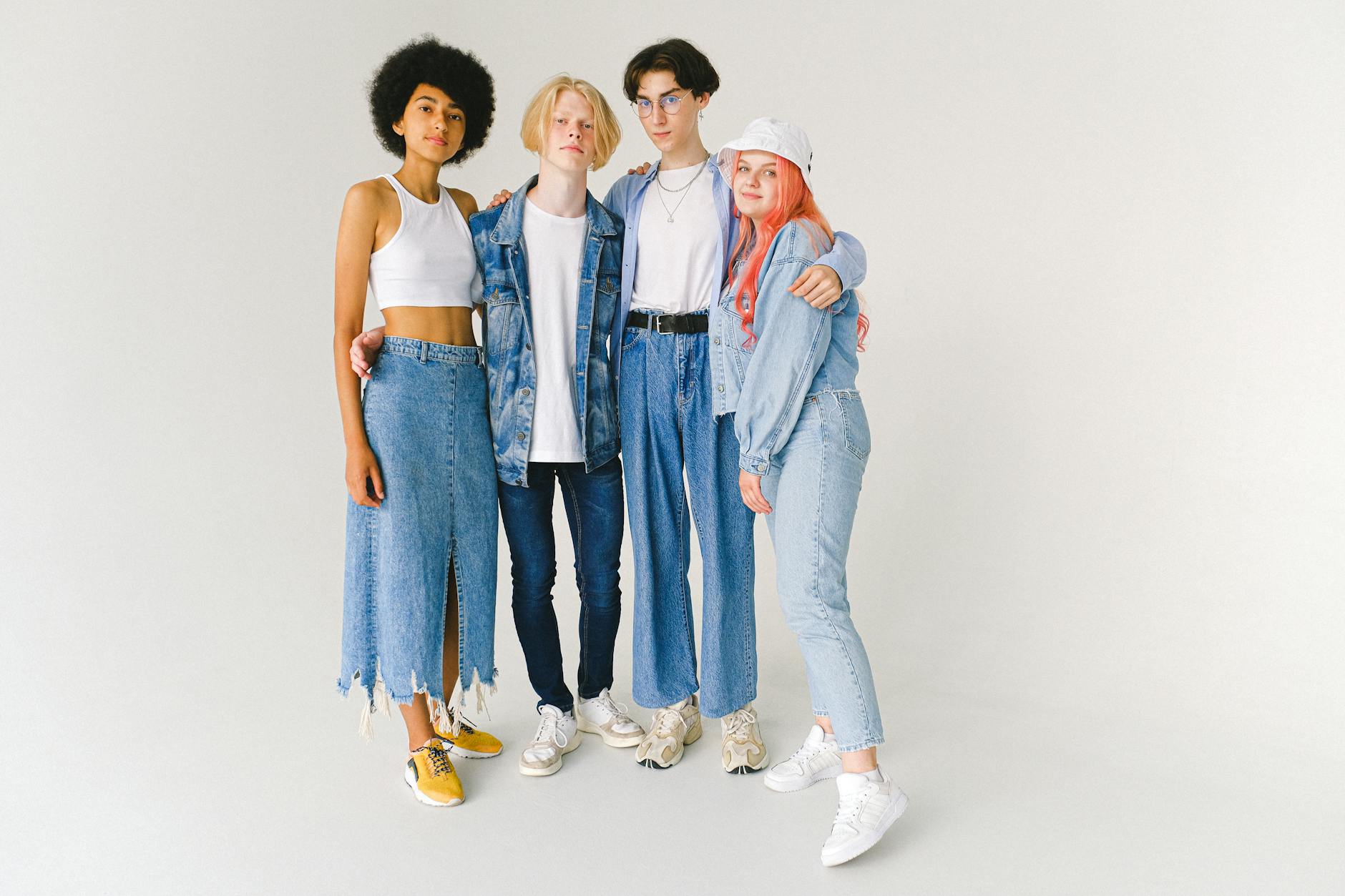
  • Shared workplace needs of neurodivergent and Gen Z employees

    More and more HR and business leaders are focusing on how to keep their growing Gen Z workforce motivated and connected. When I listen to the conversations about supporting Gen Z colleagues, now roughly aged 12 to 27, I keep hearing themes that also come up when we talk about neurodivergent needs at work.

    As a neurodiversity advocate, that feels genuinely encouraging. In many cases, the same changes organisations make to help Gen Z thrive also make the workplace easier to navigate for neurodivergent people. In a fast-changing world of work, taking time to understand different employee experiences is one of the best routes to inclusion and stronger performance.

    To show why this can be a win for everyone, here are a few of the overlaps I see when engaging Gen Z and neurodivergent (ND) employees.

    Flexibility and work life balance

    Gen Z: Many Gen Z employees have never known a world without the internet and mobile tech, so flexibility feels normal rather than a perk. They often prefer outcomes over hours, and they respond well to options like hybrid working, remote roles, and working patterns that allow them to protect time for life outside work.

    ND: Flexibility can be just as important for neurodivergent colleagues, although the details may vary by person. Some autistic people may prefer predictable routines while needing adjustments to the workspace, noise levels, lighting, or how meetings are run. People with ADHD may find flexible hours helpful because it lets them work when their concentration is strongest, with breaks planned in a way that supports focus.

    Mental health and wellbeing

    Gen Z: Gen Z tend to be more direct and open about mental health than many previous generations. They often look for employers who take wellbeing seriously in day-to-day practice, not just in policy. Support such as employee assistance programmes, access to counselling, wellbeing resources, and the ability to take time to reset can all matter.

    ND: For neurodivergent people, wellbeing support can be the difference between coping and thriving. Clear signposting to mental health resources, a culture that reduces stigma, and practical adjustments that lower day-to-day stress all help. Reasonable accommodations can also prevent small barriers from turning into burnout.

    Technology and smarter ways of working

    Gen Z: As digital natives, Gen Z typically expect work to be enabled by modern tools. They are comfortable learning new platforms quickly and often enjoy teams that experiment, automate, and improve how work gets done. Up-to-date tech can support productivity, collaboration, and engagement.

    ND: Technology can also remove barriers for neurodivergent employees. Tools such as speech to text, captioning, task management apps, noise reduction options, and structured templates can make work more accessible. The right tech can also reduce friction in communication by making expectations, decisions, and next steps easier to track.

    Inclusion, belonging, and diversity

    Gen Z: For many Gen Z employees, diversity and inclusion are baseline expectations. They want workplaces where people are respected, where different perspectives are welcomed, and where it is safe to speak up. This often includes a broader view of diversity, including lived experience and ways of thinking.

    ND: A strong sense of belonging is especially important for neurodivergent colleagues. People do best when they are understood, when their strengths are recognised, and when they are not penalised for differences in communication or working style. Inclusive practices and fair progression routes help ensure neurodivergent talent is not overlooked.

    Clear communication and useful feedback

    Gen Z: Gen Z often value clarity about priorities, success measures, and what good looks like. Regular, specific feedback helps them learn quickly and feel anchored in their role. When communication is open and consistent, it builds trust and strengthens engagement.

    ND: Many neurodivergent employees benefit from direct, unambiguous communication, especially around expectations and timelines. Written follow-ups, clear agendas, and constructive feedback can reduce uncertainty and make it easier to plan and deliver. Small shifts in how teams communicate can have a big impact on confidence and performance.

    When employers design work around these shared needs, everyone benefits. Flexibility, wellbeing support, practical tech, a culture of inclusion, and clear communication are not niche requests. They are foundations for better work, particularly for Gen Z and neurodivergent people.

    If we keep leaning into these principles, we move towards workplaces that are calmer, more human, and more effective. That is good for individuals, teams, and ultimately the future of work.

    Photo by Anna Shvets on Pexels.com